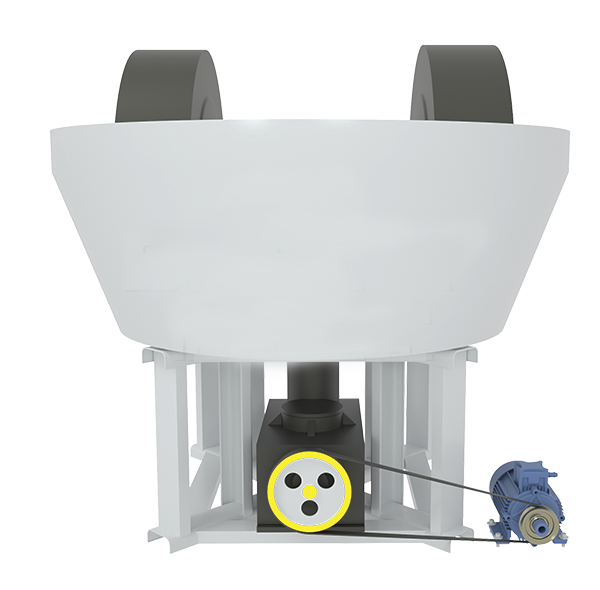
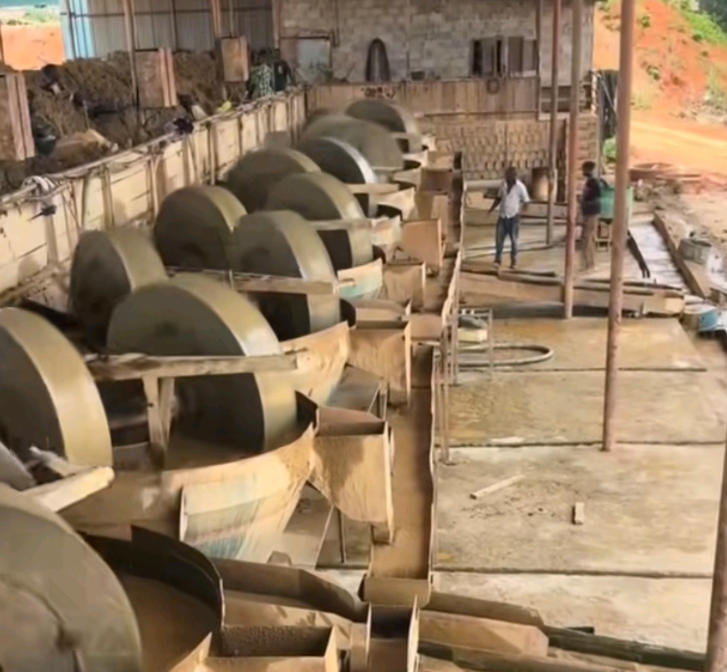
Two mines. Twenty identical wet pan mills each. One recovers more than a thousand grams of gold a day — sometimes as much as 1,600 grams. The other recovers less than a thousand.
Same machines. Same type of ore. A gap that large is never luck. In practice it comes down to three things the operator controls: the size of the ore going in, the speed the mill runs at, and what sits downstream to catch the gold that gets away.
This article covers all three — and the one limit that no amount of tuning will beat.
Why Identical Equipment Produces Different Results
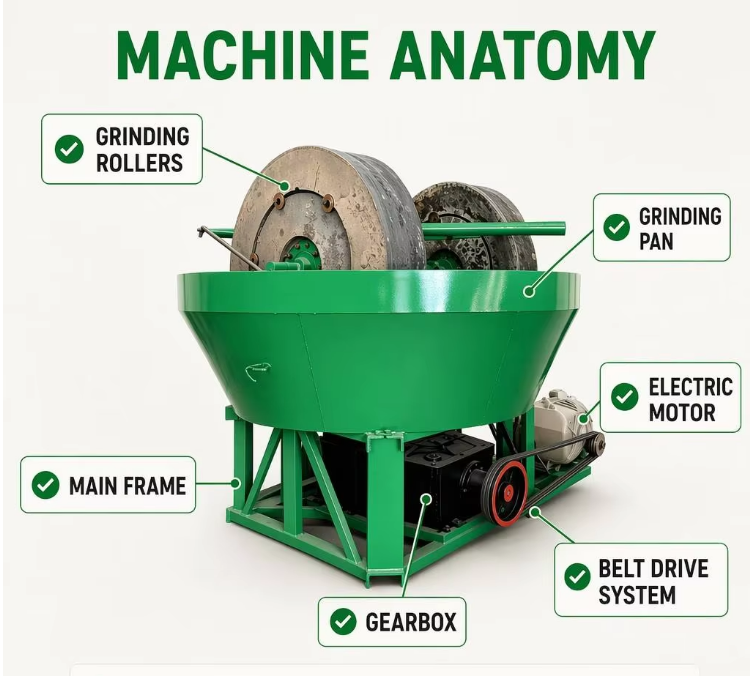
When two operations run the same model and get different numbers, the equipment is rarely the problem. The difference almost always traces back to two things: throughput (how much ore the mill actually processes per hour) and recovery rate (what percentage of the gold in that ore you manage to collect).
Those two figures are set before the mill ever turns — by how the ore is prepared and by how the machine is run. So the diagnosis starts upstream, not at the mill.
Factor 1: Control the Feed Size
The size of the ore you feed the mill determines its workload — and therefore how much ore it can get through in a day.
For common models like the 1100 and 1200 wet pan mills, keep the raw ore feed within 20–30 mm (two to three centimetres). If the ore is hard, tighten that further to 10–20 mm (one to two centimetres). Cutting the feed size takes a large load off the mill, which shows up directly in throughput.
Oversized ore should never reach the pan mill. Break it down first with coarse and fine crushing stages, then feed the mill at the size it was designed for. If you are still feeding fist-sized rock straight into the pan, that is the first place to look.
→ Crushing equipment sized to feed your mill
Factor 2: Get the Mill Speed Right
The running speed is the single most important operating parameter for recovery — and the one most often set by feel rather than by calculation.
In the early days of grinding iron ore, a 1.2-metre machine typically ran at around 22–23 rpm. In gold operations, however, some operators worry about gold escaping the circuit and deliberately slow the mill down to 12 rpm, or even 8–9 rpm. That instinct is understandable, but it works against you: a large drop in speed directly reduces how much grinding work the mill performs per pass.
Aim for roughly 18–20 rpm instead. At that setting you get more grinding passes over the same ore, which improves liberation — and to a degree, throughput as well.
Slower is not safer. Gold that was never liberated cannot be recovered further downstream, no matter how good your recovery equipment is.
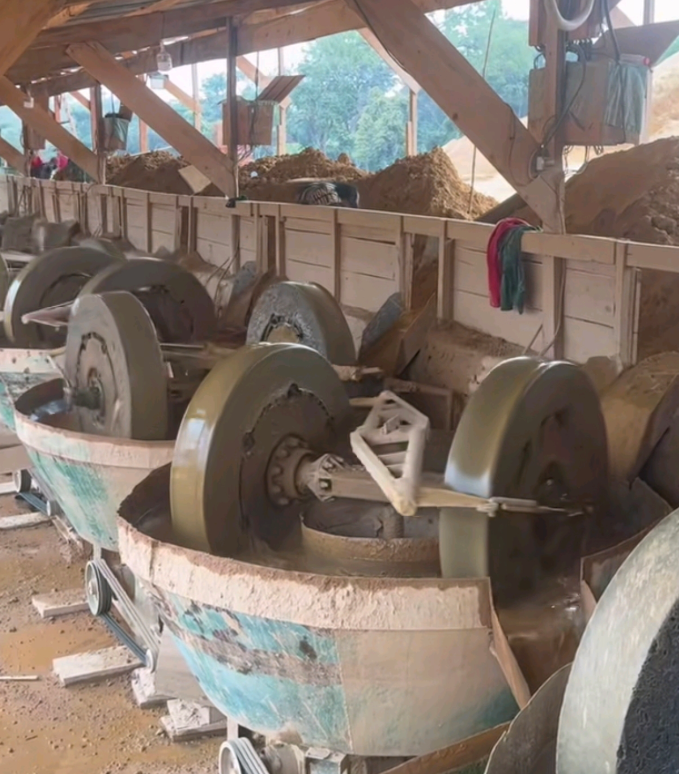
→ Wet pan mills, 1200–1600 series
Factor 3: Add Recovery Equipment Downstream
Some gold will always leave the mill still attached to tailings. The way to get it back is to install auxiliary recovery equipment at the right points in the flow — so that material which would otherwise be lost gets a second chance.
Amalgamation plates
One or two plates are enough. Initial cost runs about RMB 1,000–2,000, and the plates are reusable — with use, their value can even increase rather than depreciate. A plate adsorbs gold effectively and can be scraped clean, which makes the return on the investment very favourable.
Amalgamation barrels
A barrel costs roughly RMB 3,000–4,000. There is some daily consumption to account for, but the gold it recovers is worth far more than the equipment costs, so it earns its place in the circuit as an auxiliary unit.
Blankets and felt matting
For flake gold that floats rather than settles, laying down blankets or felt matting gives those particles something to catch on. It is the simplest and cheapest of the three, and it works specifically on the fraction that gravity alone tends to miss.
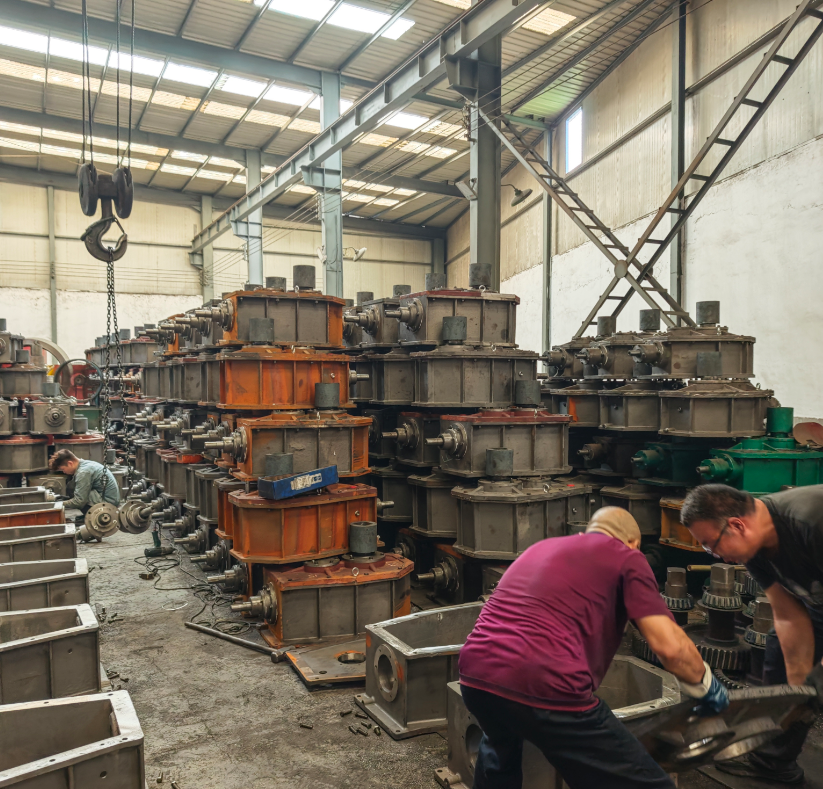
→ Alluvial recovery equipment — tables, concentrators and sluices
There Is a Ceiling on Recovery — Know Where It Is
Recovery has a hard limit, and it is set by the ore itself, not by your equipment.
Gold in ore occurs as particles of many different sizes and in complex associations. Not every gold particle or gold molecule can be captured by a plate, a barrel or a mat. Some loss is unavoidable in any circuit.
The practical target is therefore not 100% — chasing that number leads to bad decisions. The target is to push recovery as close to the physical ceiling of your ore as your equipment and parameters allow, and to know where that ceiling sits so you can tell the difference between a real problem and a natural limit.
Where to Start
If your recovery is below expectation, work through the three factors in order:
- Feed size — get ore down to 20–30 mm, or 10–20 mm for hard rock, before it reaches the mill.
- Mill speed — set it around 18–20 rpm rather than slowing it down out of caution.
- Downstream equipment — add plates, barrels or matting to recover what the mill cannot hold on to.
Then set a realistic recovery target based on your ore, and measure against that — not against a theoretical maximum.
BLICK Industries supplies wet pan mills, ball mills, crushing and gravity recovery equipment to gold operations worldwide, built in our own factory and shipped direct. Tell us your ore type, target throughput and power source, and we will recommend a configuration.